Sengkang Connection B2 Industrial Space: A New Industrial Buying Opportunity
If you have been watching Singapore’s industrial market for a while, you already know the pattern: occupiers want sensible locations, buyers want asset quality, and everyone eventually has to answer the same practical question, “Is this the right time to buy B2 industrial space, or should I wait?”
Sengkang Connection adds a fresh answer to that debate. It is an industrial development site at Sengkang West, and JTC awarded the tender for it to Soilbuild Group Holdings Ltd on 19 August 2025 for $156,114,008. That kind of award signals that a new piece of the market is moving from planning into real execution, which matters if you are looking to buy B2 industrial space rather than wait for the next cycle.
This is also not just any industrial category. Under Singapore’s B2 industrial zoning framework, the intent is generally to support “clean” and lighter industrial and related uses, with ancillary activities often permitted subject to the right approvals. In other words, B2 can suit a wide range of operators who are not running heavy, disruptive processes, but still need functional industrial floor space, warehouse capability, and the ability to run a business without constant friction.
Below is a grounded look at why Sengkang Connection’s “new B2 industrial space” positioning can be attractive to both owner-occupiers and investors, what the B2 category typically supports, and how to think through the trade-offs before you buy.
Why Sengkang Connection is worth your attention
New industrial supply in Singapore is not rare, but “new supply” only becomes an opportunity when the timing and the asset type line up with demand. With Sengkang Connection, there is at least one clear anchor point you can reference: the JTC tender award on 19 August 2025, to Soilbuild Group Holdings Ltd, for $156,114,008. That is the kind of milestone that usually comes with more visibility on the development direction than speculative listings.
The market context also helps. For 2025–2026, industrial fundamentals have been firm but not blind. Colliers reported 2025 occupancy at 88.7% and rental growth of 2.4% for the year, while also noting that new supply is entering and occupancies are easing slightly as supply outpaces take-up. Cushman & Wakefield meanwhile expects incoming industrial supply in 2026 to be moderate and below 10-year averages for most segments, with some tightening in certain segments. If you are buying, you want to avoid a situation where you lock capital into a product that the market cannot absorb.
At the same time, CBRE pointed out property sales to industrial occupiers rose 32% in 2024, and nearly 21,300 industrial leases are scheduled to expire over the next 36 months. That matters because lease expiries often create a “buy versus renew” decision point, and buyers sometimes gain leverage when landlords must reprice or when occupiers want to secure stability.
So, Sengkang Connection fits into a wider market narrative: stable demand, some supply pressure, and a steady stream of lease decisions that can support owner-occupiers and investors. If you are considering buy B2 industrial space, you are not only buying square footage, you are also positioning yourself against how occupiers might behave when leases mature.
What “B2 industrial space” usually means in practice
B2 is part of Singapore’s industrial zoning framework. JTC has explained that Singapore originally planned three main industrial use zones: B1, B2, and business park. The point of this zoning framework is to support different industrial activities, and in some areas allow more flexible integration with retail, offices, and shared facilities depending on the context.
On the ground, B2 is commonly associated with clean industry, light industry, general industry, and uses such as warehouse, public utilities, and telecommunications. That general understanding aligns with how many operators think about B2: it is industrial space designed for productive activity, without the heavy constraints that sometimes come with more disruptive manufacturing.
However, there is an important nuance. URA’s guidance on B2 allowable uses focuses on what is permitted and where agency approvals may be required in some cases. In practice, the B2 label alone is not the final answer to “Can my business run there?” You still need to confirm that your intended operations, ancillary activities, and scale are compatible with the specific approvals process.
This is one reason experienced buyers do not treat B2 as a generic checkbox. They review the allowable use framework first, then map it to how their business actually runs day to day. If you are looking at Sengkang Connection b2 industrial space, your due diligence should be less about chasing “industrial” keywords and more about ensuring the use fit, because approvals and operational constraints affect both your cashflow and your long-term holding value.
The buying opportunity: new B2 industrial space when demand is steady
A “buying opportunity” is rarely about buying the newest launch at any price. It is about finding an entry point where you can reasonably expect three things sengkang connection site plan to align over time:
First, that demand exists for the type of industrial use you are buying. Second, that the product is positioned for the market, not stuck in a segment that becomes oversupplied. Third, that the asset can serve the way your business or tenant base actually needs it to serve.
Let’s connect those to what we know.
Industrial market signals for 2025–2026 point to a generally firm environment, with rental and price growth but easing occupancies in the face of new supply. ERA reported that 16 industrial projects were expected in the second half of 2026, adding 263,840 sqm of space, which suggests supply will keep coming. On the other hand, Cushman & Wakefield’s expectation of moderate incoming supply in 2026, below 10-year averages for most segments, implies that the market is not projected to collapse under sheer volume.
Then there’s the buyer behavior shift. When lease expiries pile up, some occupiers decide that buying is the less painful option. CBRE mentioned reasons occupiers cite for buying instead of renting, including long-term cost savings after the mortgage is paid off, the ability to customize, investment upside, and avoiding rent increases or lease termination risk. If you are buying industrial space as an owner-occupier, the “fit” of the property matters even more than the headline market numbers, because you are trying to reduce operational uncertainty.
So where does Sengkang Connection sit in this logic? The tender award indicates you are looking at an upcoming industrial development rather than a fully mature asset. That can matter if you want to plan around your occupation timeline, or if you are investing and expect tenants to prefer newer facilities, better logistics flow, or simply facilities that are aligned with modern requirements.
Still, no new launch is automatically a winner. Your diligence should focus on the category of tenant it attracts and whether your business model or investment thesis holds under slower absorption periods.
Sengkang Connection in the Sengkang West industrial landscape
Sengkang West is part of the broader industrial ecosystem where companies want workable logistics access and industrial clustering. When buyers look at Sengkang Connection, the core decision is whether the industrial space will be attractive to the types of B2 users that typically demand light industrial, clean industrial, warehousing, and related uses.
JTC’s award to Soilbuild Group Holdings Ltd is a meaningful detail because it anchors the project to a recognized development path. Beyond that, it is also worth thinking like an occupier. Even if you are not placing a tenant immediately, you are effectively buying a future leasing story, and leasing stories are built on how well an asset fits buyer expectations.
That is why “Sengkang Connection project details” and “Sengkang Connection site plan” usually matter to buyers, even before they commit financially. But since detailed site plan specifications are not provided here, the practical takeaway for you is how to handle the information you will receive during the evaluation stage: compare what is promised with how your operations will work, and do not assume a high-level brochure explanation is enough.
If you are trying to evaluate “is this the right Sengkang Connection b2 industrial space for me,” think in terms of workflow rather than marketing language. Can you receive and move goods efficiently? Are you able to run your ancillary uses without creating approval headaches? Would your staff find the space practical for daily operations? How would this property look to a future tenant who also needs operational clarity?
Those are the questions that keep cashflow stable, whether you occupy or lease.
Trade-offs to weigh before you buy
Buying industrial space usually feels straightforward until you encounter the real constraints. Here are trade-offs buyers often bump into with industrial property decisions, and how to think about them for a new B2 industrial space opportunity.
1) “B2” flexibility versus approval certainty
B2 allowable uses provide a framework, but approvals can still be required for certain ancillary uses. If your business has a component that might be treated as ancillary, you need to verify what approvals will be needed before you commit. The risk is not theoretical. Businesses that scale quickly can discover that a “small add-on activity” later turns into a regulatory issue once volume increases.
2) New supply is both opportunity and risk
New industrial stock can attract tenants who want newer facilities, but it can also increase competition. Colliers flagged easing occupancy as supply outpaces take-up, even while rentals grew. That is the kind of mixed signal that can translate into different outcomes depending on your asset’s leasing resilience.
If you buy at a time when market uptake is slowing for your segment, you may need to wait longer to achieve expected yield. If you buy at the right “fit” point, the waiting period might still be manageable. The key is to stress test occupancy timelines, not just assume leasing will happen immediately.
3) Owner-occupier comfort versus investor upside
CBRE highlighted why buying can beat renting for cost certainty and customization. If you are an owner-occupier, the value is often that you control your operating environment and avoid renewal uncertainty. If you are investing, the value is that the market may reprice newer or well-located B2 assets as lease expiries come around.
Your decision should reflect your stance. The same property can be a great owner-occupier fit and only a fair investor fit if the tenant demand profile is narrow, or if the competitive set increases faster than your leasing strategy.
How to evaluate Sengkang Connection pricing and terms responsibly
“Sengkang Connection pricing” is obviously central, but for buyers who have been through cycles, the bigger skill is not negotiating the lowest entry price. It is avoiding price anchored decisions that ignore what the property must achieve after purchase.
Since specific pricing and contract terms are not provided here, treat this section as a process, not a quote.
Start by asking yourself what you need the property to do over time. If you are buying to occupy, you likely care most about operational fit and stability of total occupancy cost. If you are buying to let out, you care about how easily you can attract B2 tenants, how quickly you can re-lease if a tenant exits, and how sensitive your rental income is to market cycles.
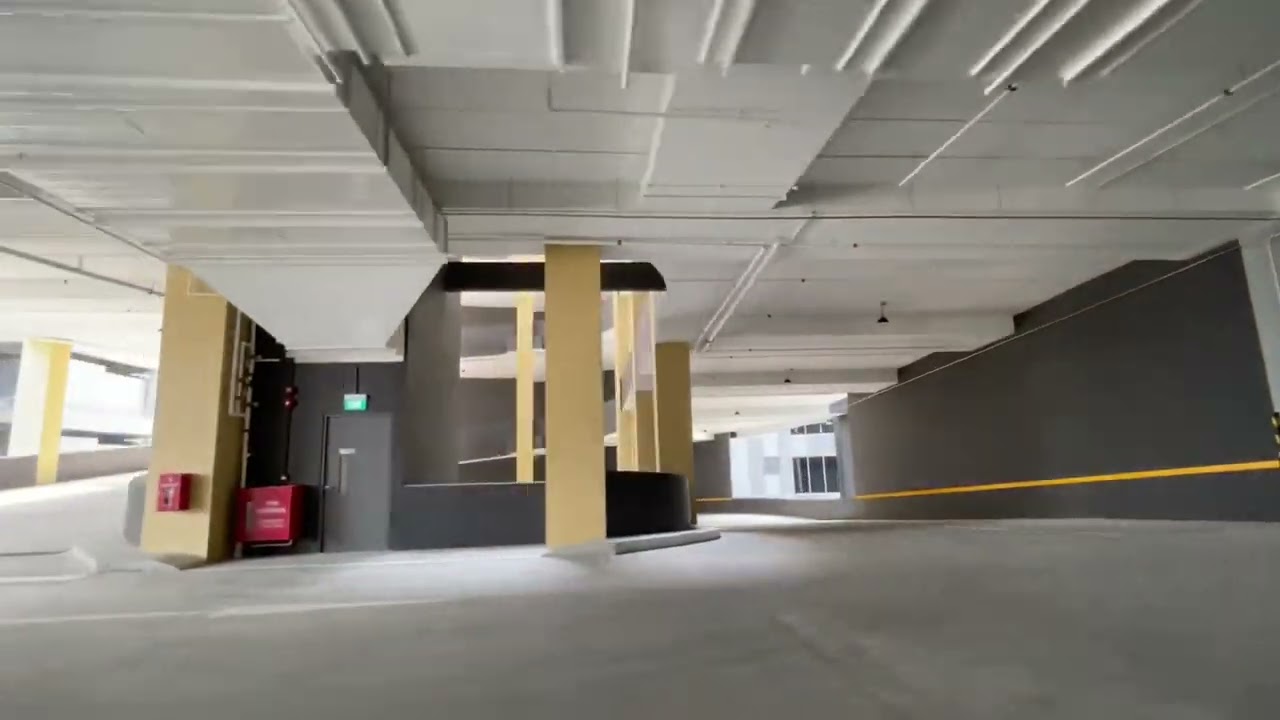
Then compare the costs that do not show up on day one. For example, how will your fit-up costs interact with the flexibility allowed for B2 use categories? If your business depends on certain operational flows, you may need specific layout choices to make the property genuinely usable.
Finally, you should align your timeline with market signals you can defend. The data points you have from 2025–2026 suggest steady demand but a steady stream of supply. That means you should plan with an “expect some variability” mindset, not “guaranteed immediate leasing” assumptions.
If you are serious about exploring buy B2 industrial space in this category, the most practical next step is to request the Sengkang Connection brochure and related materials and then verify what matters. When you speak to the sales team, treat the conversation as information gathering, not persuasion. Ask for the specifics you need to make a decision and keep your judgment anchored to what you can verify.
What to ask during your Sengkang Connection book appointment
When people say “book appointment,” they sometimes mean “get more marketing materials.” The better goal is to come away with decisions you can defend. If you are assessing Sengkang Connection as a new launch industrial space option, use the appointment to clarify practical questions.
Here are five questions that tend to separate useful dialogue from fluff:
- What B2 allowable uses and ancillary use approvals are relevant to my intended operations, and what approvals are required before I can operate at full capacity?
- What is the expected development timeline and handover schedule range, and what milestones should I track?
- For my use case, what layout or functional considerations are most important, and what flexibility exists within the B2 industrial space configuration?
- How do comparable B2 assets in Singapore typically perform during periods when new supply increases, and what does that mean for leasing expectations?
- What are the key terms reflected in Sengkang Connection pricing, including any cost items that affect total ownership cost beyond the purchase price?
You do not need perfect answers to every question. You need clarity on the parts of the decision that can hurt you later. If you cannot get clarity during the appointment, that is already information.
Sengkang Connection sales gallery: how to view it like a buyer
A “sales gallery” is usually designed to help you visualize the product. As a buyer, you should treat it as a structured way to ask better questions. Look beyond the visual appeal.
Pay attention to how the property is described in terms of industrial workflow: movement of goods, loading practicality, and how the space is meant to serve daily operations. If there are references to site plan concepts, ask how those design choices affect your operations, not just what the plan looks like.
If the sales team offers “Sengkang Connection developer” context, listen for credibility signals such as delivery track record and project execution approach. Avoid letting that turn into brand admiration. Your final decision should still tie back to use fit, timeline, and economics.
If you are reviewing Sengkang Connection project details that include diagrams or summaries, do not stop at reading. Translate each stated feature into a question about your real-world operation. That approach prevents surprises after purchase.
Practical next steps if you are considering contact
If Sengkang Connection fits your business model or investment thesis, the fastest way to move from curiosity to clarity is to contact the sales team and request the materials that support due diligence, including the Sengkang Connection brochure, and to get a detailed explanation of allowable uses within the B2 framework and any approval requirements that may apply to your intended activities.
You can also prepare your own documentation before the call, so the discussion stays efficient. If you already operate within an existing tenancy, bring your current layout needs, your receiving and dispatch routines, and a rough forecast of how your business might scale. Buyers who show their operational assumptions tend to get more practical answers, and they also make better decisions because the information is grounded in their context.
For many buyers, the decision point is simply whether they can confidently connect the dots between “new B2 industrial space” and their actual need. The tender award provides the project’s real-world momentum. The B2 allowable uses framework provides the regulatory direction. The broader 2025–2026 market signals provide the timing context.
If those three align, Sengkang Connection can become more than a new launch listing. It can become a buying opportunity worth acting on, at a pace that matches your risk tolerance.
If you are ready, the next step is straightforward: book a Sengkang Connection book appointment, request the Sengkang Connection brochure, and then ask for the specifics you need on use fit, timeline, and Sengkang Connection pricing. Once you have those details, you will be in a position to decide with confidence rather than hope.
Contact
For enquiries, book an appointment, or to request the relevant materials, reach out via the Contact channel provided by the project sales team.